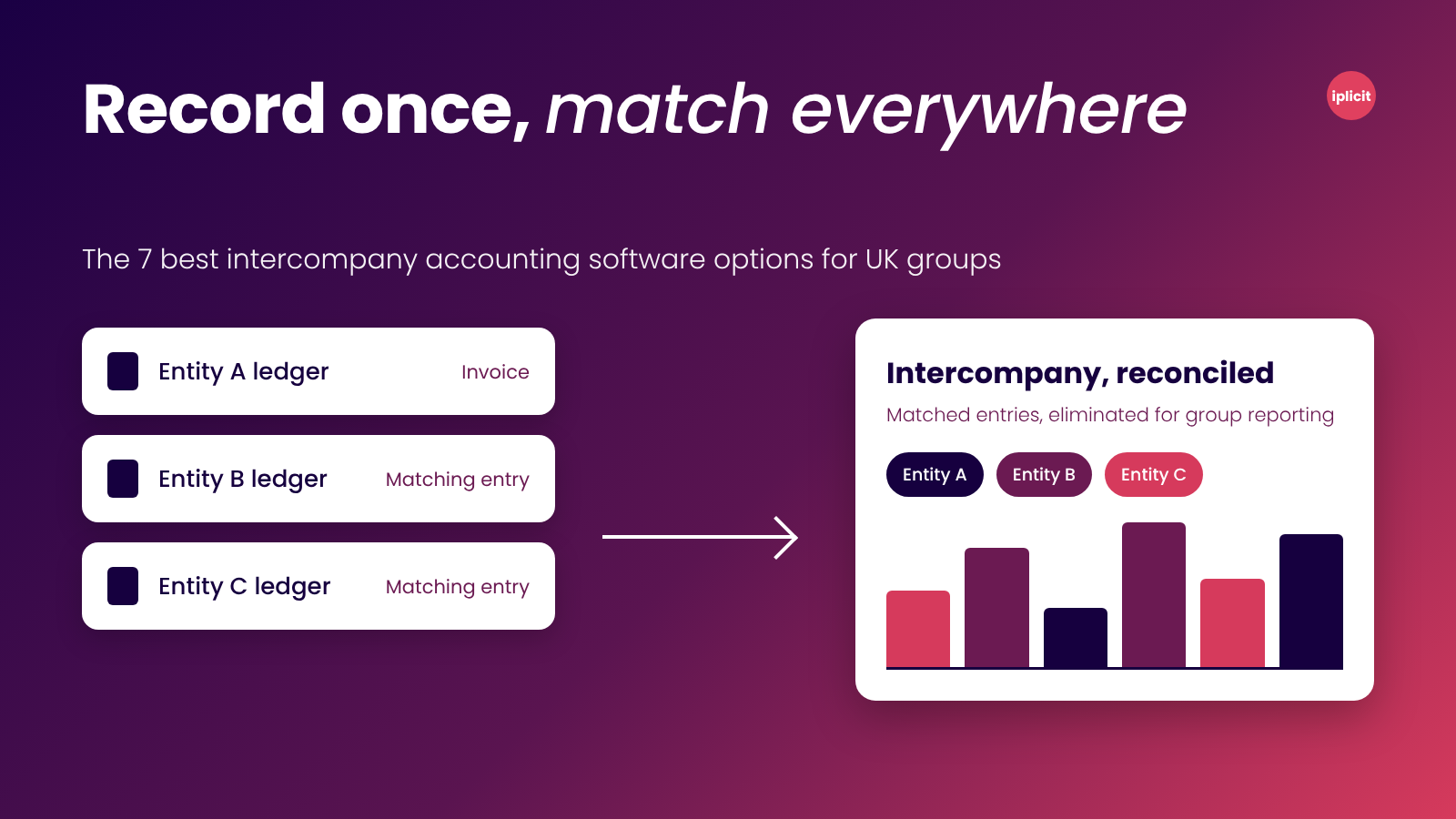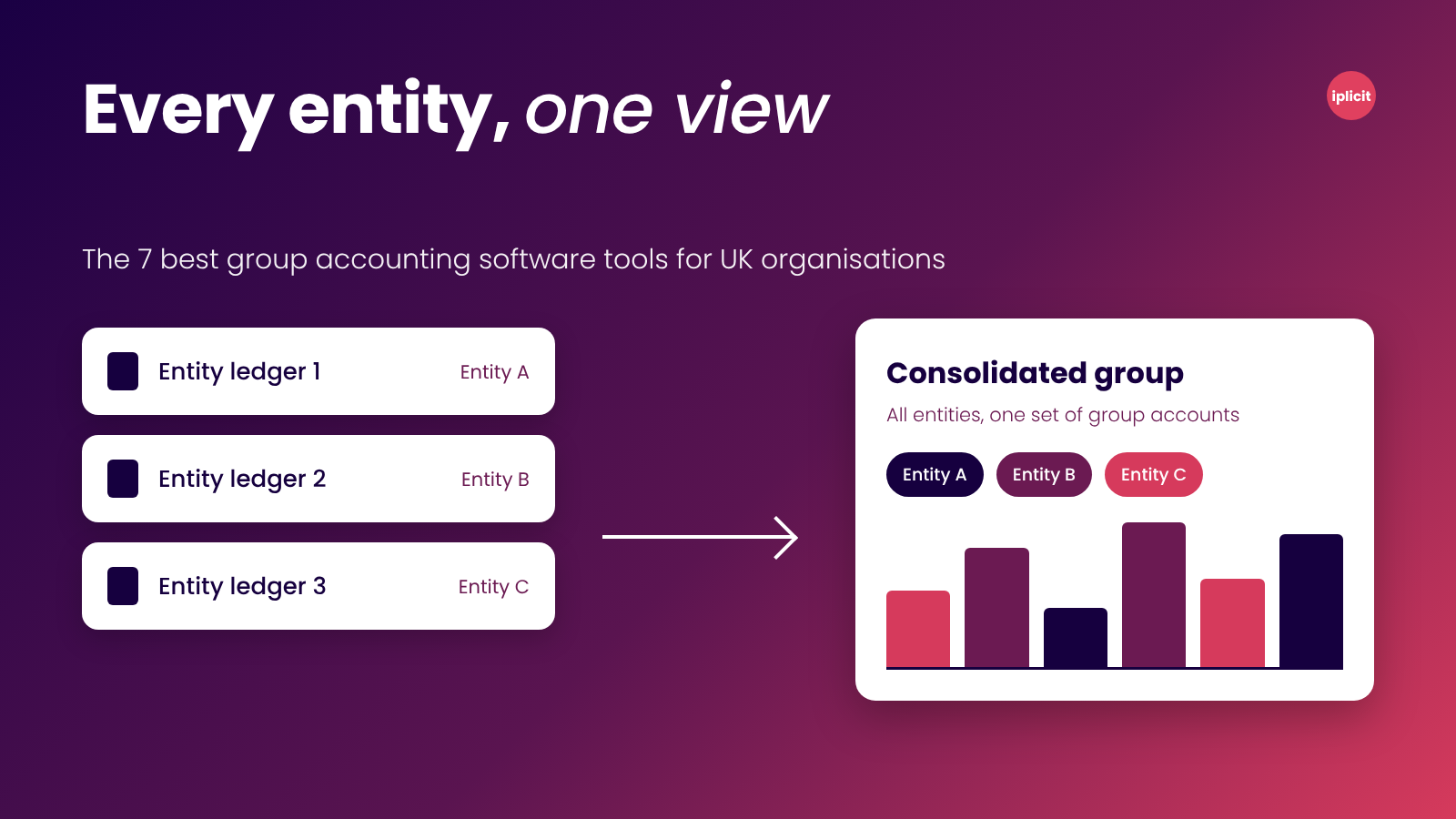
UK finance teams running multiple entities need software that consolidates accounts without spreadsheets and handles intercompany balances cleanly. For mid-market groups that want every entity in one system and flexible reporting dimensions, iplicit fits that need. AccountsIQ and Sage Intacct are the other two to shortlist.
Quick comparison
Running a multi-entity group on the wrong accounting software will cost you valuable time every month
If you’re a finance leader at a multi-entity organisation, you’re probably familiar with this scenario.
Month-end rolls around, and your team spends days exporting trial balances from each entity into a consolidation spreadsheet. Then they manually strip out intercompany transactions and hope the numbers tie up before the board pack is due.
This manual process not only costs you valuable time but also increases the risk of errors. And even just one simple formula error in a consolidation spreadsheet can quietly misstate your group’s financial position.
Group accounting software replaces that spreadsheet layer with a single system that holds every entity’s ledger and consolidates them in one place. This guide compares seven of the best options, with a focus on what works for UK organisations.
Why listen to us?
At iplicit, we help multi-entity organisations reduce month-end manual work and save hours every month. Du Boulay, a construction firm now part of a PLC, switched from Exchequer to iplicit and cut its month-end time from three weeks to under one week.
“The need to be in the Cloud is now as imperative as a fax machine was in the 1990s, especially in this locked-down year. Kate and I are truly delighted with our choice of software and we look forward to a mutually beneficial association with iplicit for years to come.”
David Budd, Financial Director, Du Boulay
Group accounting is the problem we built iplicit to solve, so we know this category well.
What is group accounting software?
Group accounting software is a finance system for organisations that run more than one legal entity, subsidiary, or branch. It holds every entity’s accounts in one place, consolidates balances, and eliminates intercompany transactions so they don’t inflate your figures. It also converts currencies where entities trade in different ones.
When you adopt one, you get a single set of group financial statements your board and auditors can trust, produced from one system. For UK organisations, a good group accounting software also needs to handle FRS 102 reporting, Making Tax Digital compliance, and Companies House consolidated filing requirements.
Why is group accounting software important?
- It removes the consolidation spreadsheet: One of the biggest error risks in multi-entity accounting is the spreadsheet sitting between your entity ledgers and your group accounts. Every manual copy-and-paste creates an opportunity for a formula to break or an intercompany balance to be missed. Software that consolidates directly from your ledgers reduces that risk.
- It gives your board a clearer view: When consolidation happens inside a system rather than once a month in a spreadsheet, your group position is easier to keep up to date. You can generate board reports whenever you need them, rather than waiting for a week-long month-end close.
- It shortens your month-end close: UK mid-market finance teams that move to in-system consolidation routinely reduce month-end time from weeks to days. This frees up the team to focus on analysis rather than data processing.
- It makes audits easier: Auditors need to trace group-level figures back to the original transactions in each entity. Group accounting software maintains that audit trail automatically, making year-end audits less time-consuming and costly.
- It supports growth without rebuilding accounting setup: When your group acquires a new business, the right software lets you add it to your existing structure without rebuilding your chart of accounts or consolidation process.
How we evaluated these software tools
We looked at seven factors:
- Consolidation depth: Does the platform consolidate in one system and handle intercompany eliminations for you? Or is consolidation a bolted-on feature that needs a separate step?
- Multi-currency handling: How does the system manage entities that trade in different currencies? This includes rate management and currency translation for consolidated reporting.
- UK compliance: Are MTD, FRS 102, and Companies House filing requirements handled natively? Or have they just been layered onto a system built for another market?
- Ease of adding entities: How much work does it take to add a new subsidiary or acquisition?
- Pricing transparency: Does the vendor publish pricing, or do you need to contact sales for a quote? And are there per-entity charges that change the costs as you grow?
- Review evidence: How many independent user reviews does each tool have, and what’s the rating?
- UK support: Does the vendor have a UK-based team you can reach directly? Or does support route through an overseas helpdesk?
The 7 best group accounting software tools: detailed reviews
1. iplicit
Best for: UK mid-market groups that want every entity consolidated in one system
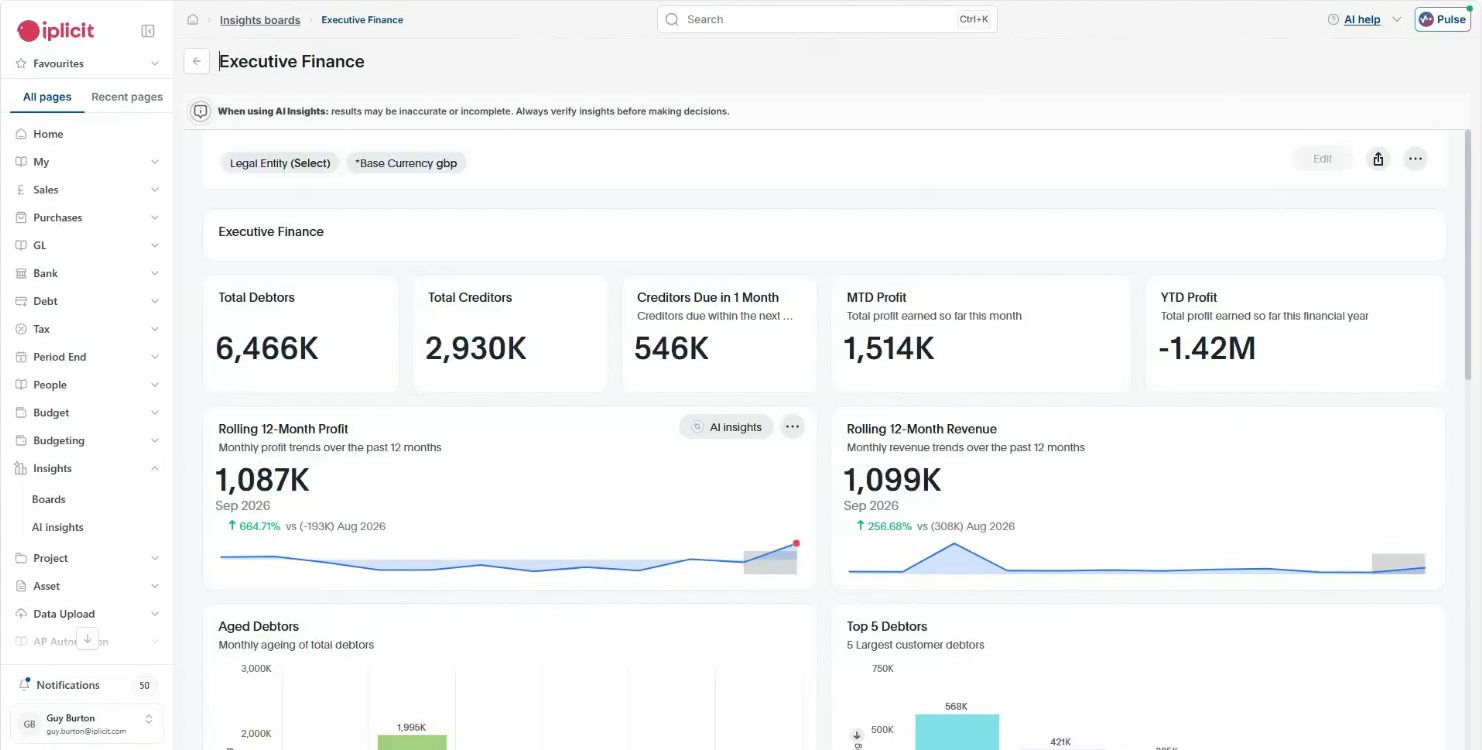
iplicit is our cloud accounting software built for UK mid-market organisations that have outgrown Sage 50 or Xero but don’t need a full ERP.
What makes iplicit particularly strong for group accounting is that every entity in your group lives inside a single platform. You don’t have to export data, import files, or maintain a consolidation spreadsheet. You consolidate across entities and currencies in one system, with intercompany handled in the system, rather than working from a snapshot of whenever someone last ran the numbers.
We built iplicit around the problems UK finance teams told us they were dealing with. One of those was the sheer amount of time wasted on manual consolidation. So we designed iplicit so you record an intercompany transaction once and iplicit creates the matching entry in the other entity, with eliminations handled for you. That way, you don’t have to manually move and reconcile any data. Plus, your accountants can drill from a group figure right down to the source transaction.
The Recruitment Group’s experience with iplicit is a good example of what happens when a system replaces manual accounting work. Before iplicit, their invoice keying alone took six people a day and a half. After moving, four people handle it in two hours.
“iplicit is probably the most flexible system I’ve ever used. It saves masses of time.”
Narinder Uppal, Finance Director, The Recruitment Group
Key features
- Group consolidation: Consolidate across entities and currencies in one system, with drill-down to the source transaction.
- Flexible analysis dimensions: Tag transactions with flexible reporting dimensions, so you can slice data by entity, department, project, fund, or cost centre.
- Intercompany transaction management: Record an intercompany transaction once and iplicit creates the matching entry in the other entity, with eliminations handled for you.
- Multi-currency support: Live exchange rates feed in automatically, and consolidated reports translate using closing, average or historic rates by account type, set up to match your group policy.
- Fund and grant accounting: Track restricted and unrestricted funds across entities, which matters for groups that include charities or academies.
- Automated bank reconciliation: Automatically match bank transactions to ledger entries across every entity, so reconciliation doesn’t bottleneck month-end.
- Configurable approval workflows: Set up approval chains that reflect your group’s actual structure, so the right people sign off in each entity.
Pricing
iplicit offers transparent subscription pricing that scales with your users and entities, with fund accounting, multi-entity and multi-currency capability included rather than sold as extra modules. It’s sold as an annual subscription. You can book a demo to discuss your group.
G2 rating
4.5 out of 5 (148 reviews)
Pros
- Built for UK mid-market groups, with support for Making Tax Digital
- Consolidating in one system removes the spreadsheet layer that causes many month-end delays
- UK-based support team
Cons
- Less suited to very large international groups that need a full ERP
- Budgeting and FP&A depth is lighter than dedicated planning tools
2. AccountsIQ
Best for: Multi-entity finance teams that want simple consolidation at a lower cost
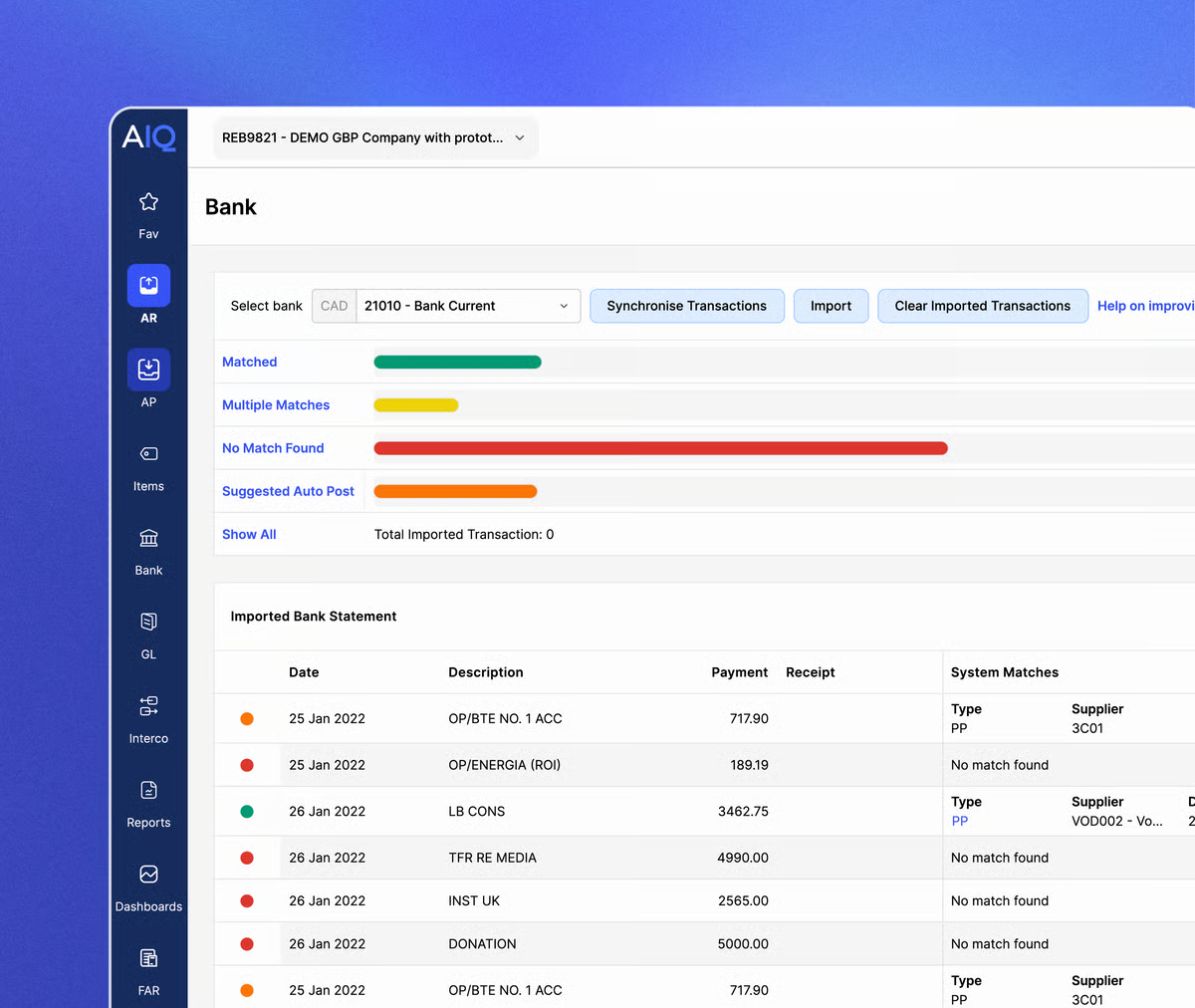
AccountsIQ is a cloud accounting platform built for multi-entity finance teams. It’s headquartered in Dublin, with strong coverage in the UK and Ireland. Group consolidation is one of its core selling points.
The platform holds every entity in one system and produces consolidated group accounts in one simple step, offering the simplicity most teams are looking for. For groups that have been running consolidation in Excel, the shift to AccountsIQ’s automatic intercompany eliminations and currency conversions will make a significant difference.
Key features
- Simple consolidation: Produce consolidated group financial statements from live data, with intercompany eliminations handled automatically.
- Multi-currency conversion: Convert entity-level figures into your group reporting currency using live or fixed rates.
- 100+ integrations: Connect to CRM, payroll, and operational systems through 100+ pre-built integrations.
- Dimensional reporting: Tag transactions by department, project, location, or cost centre and report across the group.
Pricing
AccountsIQ’s pricing starts at €275 per month for the Core plan. Custom quotes are available on request.
G2 rating
4.4 out of 5 (114 reviews)
Pros
- Consolidation is fast and is done using live data
- Published starting price of €275 per month for Core
- Strong UK and Ireland support with a reported average response time of 27 minutes
Cons
- Less depth in manufacturing, inventory, or project-heavy workflows than a full ERP
- Smaller user community than NetSuite or Sage Intacct, which means fewer peer insights
3. NetSuite
Best for: Large, international groups that need a full ERP with built-in consolidation
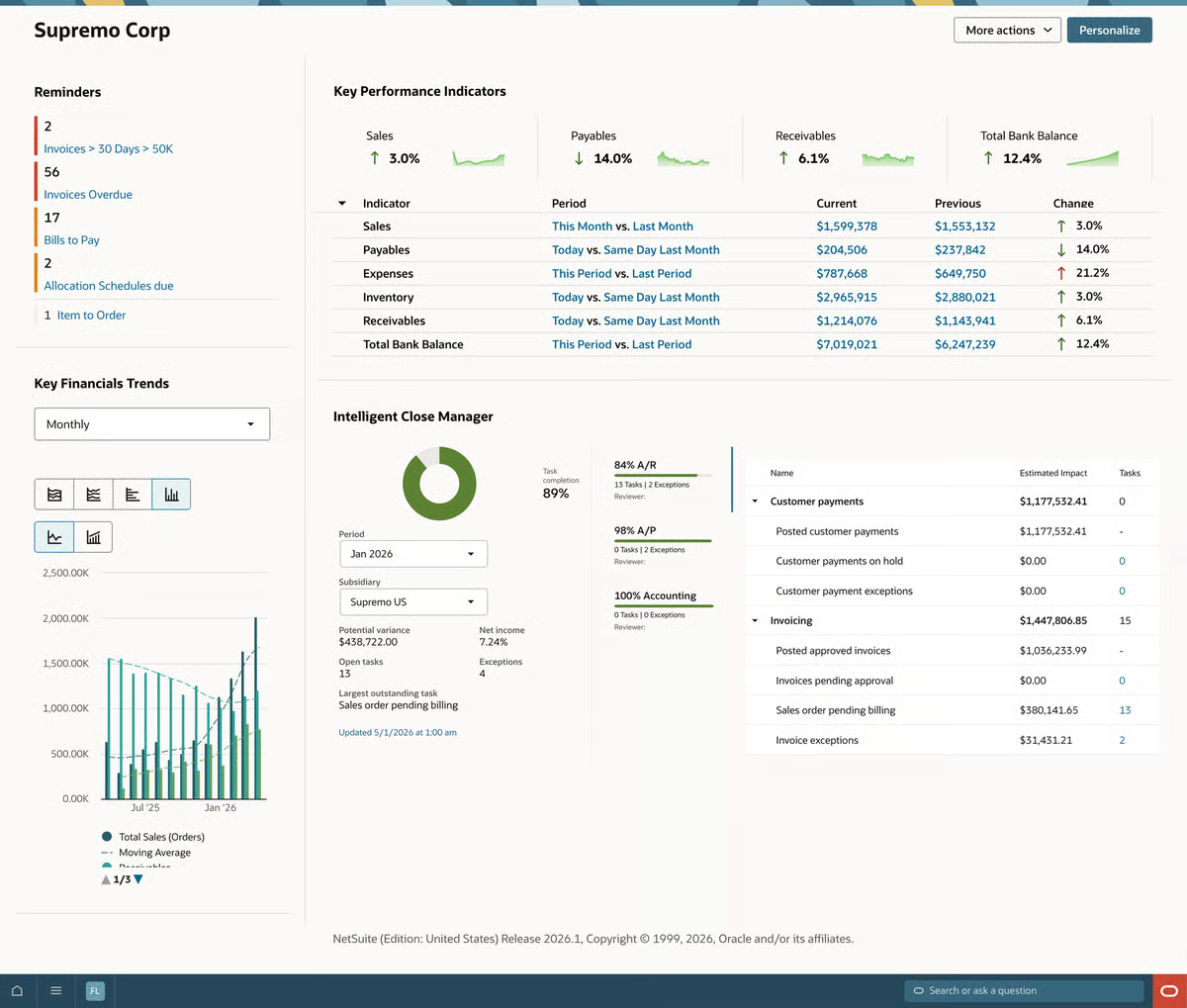
NetSuite is Oracle’s cloud ERP, and its OneWorld module supports multi-entity accounting. It’s the most widely used product on this list. It covers finance, inventory, CRM, and ecommerce in one platform.
For group accounting, OneWorld lets you manage multiple subsidiaries within a single NetSuite instance. Transactions post at both subsidiary and parent level at the same time, so consolidation isn’t a separate step. The system handles intercompany matching, automated elimination entries, and multi-currency management with continuously updated exchange rates. Also, UK subsidiaries can maintain FRS 102 books alongside group IFRS reporting through the multi-book feature.
NetSuite’s main drawback is scale. It is built for large, complex organisations and covers far more than group accounting.
Key features
- OneWorld multi-entity management: Run every subsidiary inside a single instance, with consolidation and parent-level reporting built in.
- Automated intercompany eliminations: Create elimination journal entries automatically when intercompany transactions are invoiced.
- Multi-book accounting: Maintain separate books for different accounting standards (UK GAAP, IFRS, local tax rules) against the same transactions.
- Intercompany netting: Combine mutual subsidiary balances and automatically create settlement entries.
Pricing
Oracle doesn’t publish NetSuite’s pricing. However, NetSuite uses an annual licence model calculated from the core platform fee, optional modules, and user count, plus a one-time implementation fee.
G2 rating
4.1 out of 5 (5,262 reviews)
Pros
- The most complete ERP on this list, covering finance, inventory, CRM, and ecommerce in one platform
- Consolidation across subsidiaries with no separate export step
- Multi-book accounting lets UK subsidiaries keep FRS 102 books alongside group IFRS reporting
Cons
- Pricing isn’t published and needs a quote
- Implementation runs through a specialist partner
4. Sage Intacct
Best for: Growing groups that need dimensional reporting and global multi-currency
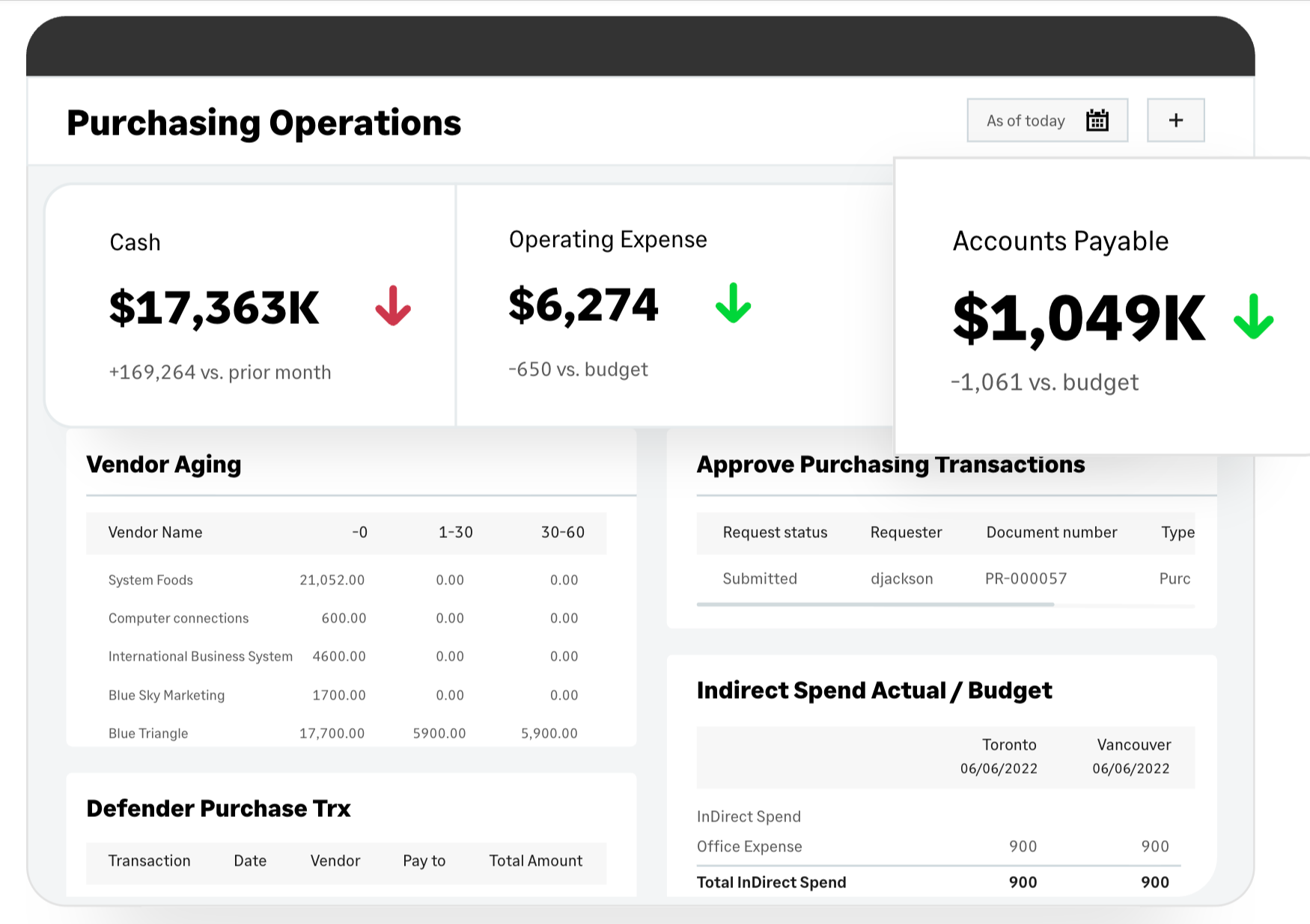
Sage Intacct is a cloud financial management platform with a strong reputation in the US mid-market. Its UK presence has grown since Sage acquired it. One standout feature is its dimensional general ledger, which lets you tag every transaction with multiple reporting dimensions without a separate GL account for each.
For group accounting, Sage Intacct offers domestic consolidation (single-currency, with intercompany eliminations) and global consolidation (multi-currency, with currency translation). There’s also an advanced ownership consolidation option.
Sage Intacct’s system can automatically generate matching intercompany entries and handle due-to/due-from balances without manual reconciliation.
Sage Intacct pricing starts from £1,200 per month, excluding VAT, with quotes through Sage or its partners.
Key features
- Dimensional general ledger: Attach multiple reporting dimensions to every transaction, so you can report by entity, department, or project without restructuring your chart of accounts.
- Automated intercompany eliminations: Create matching entries and automatically handle due-to/due-from balances across entities.
- Global consolidation with multi-currency: Consolidate across entities trading in different currencies, with automatic currency translation using daily rates.
- Shared master data: Maintain vendor, customer, and item lists centrally and share them across entities.
Pricing
Sage Intacct pricing starts from £1,200 per month, excluding VAT. Quotes come through Sage or its reseller partners and depend on entities, users, and modules.
G2 rating
4.3 out of 5 (4,549 reviews)
Pros
- Its dimensional reporting feature is powerful and helps you avoid the rigid chart-of-accounts structures that limit some competitors
- Strong intercompany entries and consolidation adjustments automation
- Large review base on G2, so there’s plenty of peer feedback you can check before purchasing
Cons
- Only a starting price is published, so comparing full costs needs a quote
5. Microsoft Dynamics 365 Business Central
Best for: Groups already in the Microsoft ecosystem and that want consolidation inside their ERP
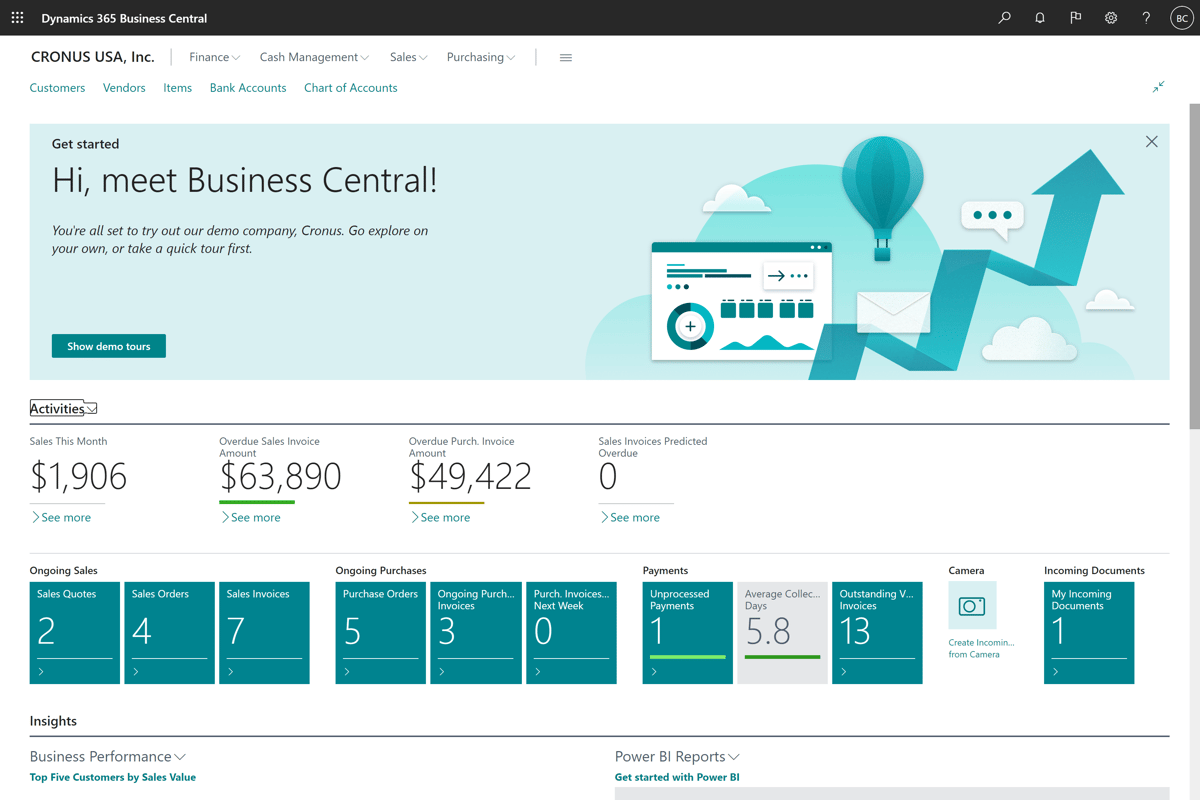
Business Central is Microsoft’s cloud ERP for small and mid-sized organisations, and it includes financial consolidation as a built-in feature. If your group already uses Microsoft 365, its integration with Excel, Outlook, and Teams is tighter than that of most other options on this list
To consolidate, you set up a consolidated company and link your subsidiaries as business units. The system can consolidate companies with different charts of accounts, fiscal years, and currencies. Intercompany transaction management is a separate feature that links purchase and sales orders between entities.
The main limitation of Business Central is that consolidation is more manual than in some purpose-built options. Elimination entries are posted through general journal lines rather than generated automatically. For groups consolidating monthly across only a handful of entities, this may be manageable. But for complex group structures with high transaction volumes, this will add significant time to your month-end close.
Key features
- Built-in consolidation across entities: Set up a consolidated company and link subsidiaries as business units, with support for different charts of accounts and currencies.
- Intercompany transaction management: Link purchase and sales orders between entities so they post in both companies.
- Deep Microsoft ecosystem integration: Work directly from Excel, Outlook, and Teams, with data flowing across your Microsoft stack.
- API-based data sharing: Automate consolidation data transfers between Business Central environments, including across Azure geographies.
Pricing
Microsoft prices Business Central per user per month. UK prices are £61.50 for Essentials and £84.60 for Premium, billed annually. Team member licences are £6.20. Implementation costs are separate and vary by partner.
G2 rating
4.0 out of 5 (918 reviews)
Pros
- Strongest Microsoft 365 integration of any tool on this list, which matters if your team lives in Excel and Outlook
- Published per-user pricing makes budgeting more predictable than quote-based alternatives
- Can consolidate across companies with different charts of accounts and currencies
Cons
- Elimination entries are manual, not automatic, which costs groups with complex intercompany activity valuable time
- Consolidation features aren’t as automated as purpose-built group accounting tools
- Implementation and customisation require a specialist Dynamics partner and are priced as add-ons
6. Access Financials
Best for: UK organisations with £2m to £100m turnover and that want modular cloud accounting
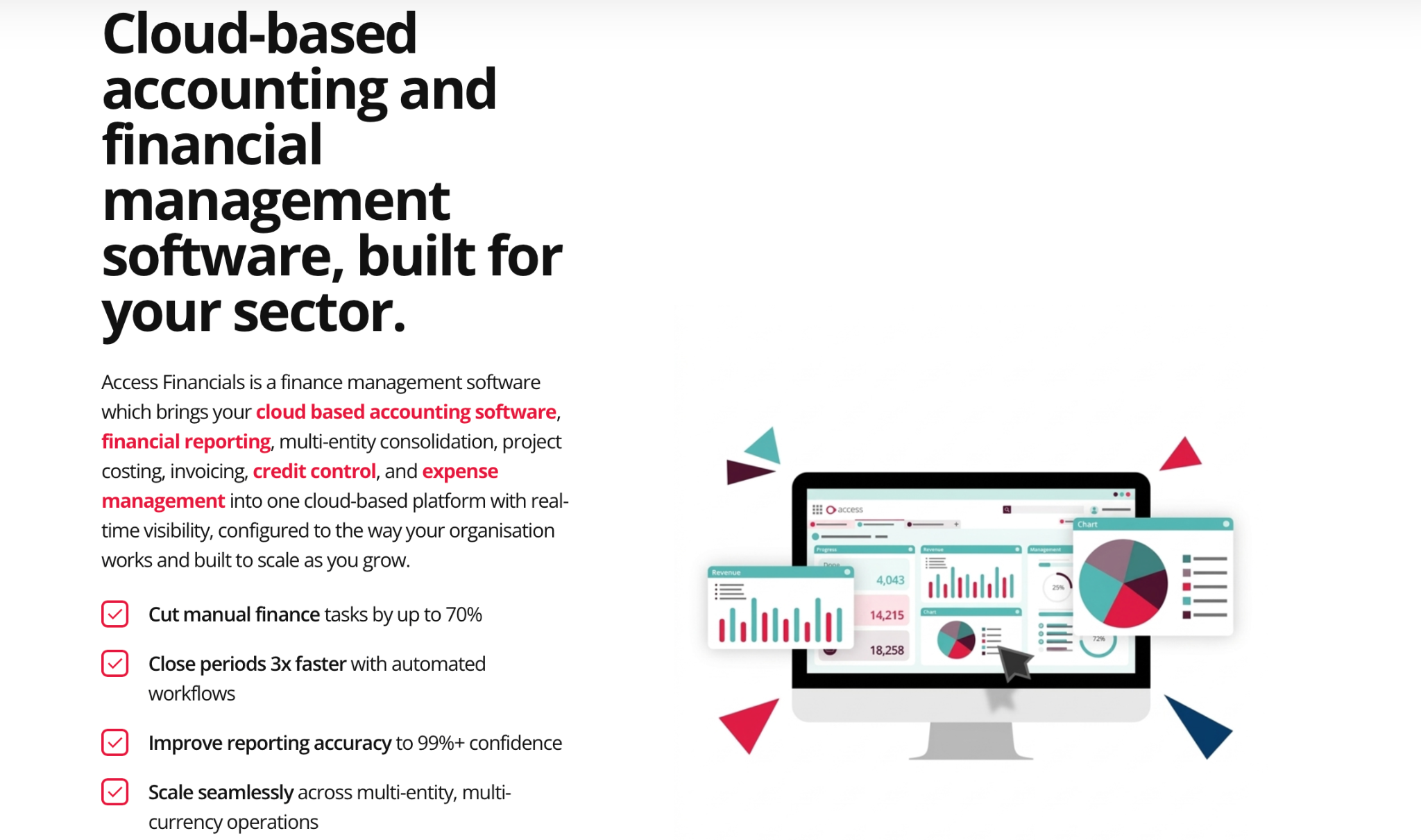
Access Financials is a modular cloud accounting system from The Access Group, aimed at UK organisations with turnovers between £2 million and £100 million. It’s part of a broader Access ecosystem that covers HR, payroll, and sector-specific modules.
For group accounting, Access Financials supports multi-entity structures and consolidated financial statements. Its consolidation brings multiple companies together for group reporting, with multiple reporting currencies and chart of accounts mapping.
Its modular design lets you add functionality as your group grows.
Key features
- Consolidated financial statements: Bring multiple companies together for group reporting, with chart of accounts mapping.
- Modular cloud architecture: Add modules for HR, payroll, or sector-specific needs as your group grows, without replacing the core system.
- Customisable reporting: Build group reports by cost type, budget holder, or entity, using live data.
- UK-focused compliance: ISO/IEC 27001 certified, with MTD compliance and UK-specific reporting built in.
Pricing
Access Financials shares that pricing starts at £10,508 per year for a company with 40 employees. Multi-entity pricing is tailored to your organisation’s size and entity structure and requires requesting a custom quote.
G2 rating
4.2 out of 5 (20 reviews)
Pros
- Sector-specific products for health and social care, education, and charities
- Modular design means you can start with finance and add other functions over time
- Published starting price gives an initial budget benchmark
Cons
- Only a starting price is published, so multi-entity pricing needs a custom quote
7. Xledger
Best for: Multi-entity groups that want automated, in-system consolidation with MTD compliance
Xledger is a cloud accounting and ERP platform from Norway that has been building its UK presence from a Bristol office. Its pitch for multi-entity groups is that consolidation happens within the system in real time.
Xledger uses a hierarchical entity structure that consolidates top-down across your whole organisation. Group-level suppliers and customers can be maintained centrally. Intercompany transactions post in both entities at once through journal lines created in the same entry. The system also supports multi-currency reporting and includes MTD-compliant VAT across all modules.
The main limitation is the lack of public evidence. Xledger has just four G2 reviews, and its UK customer base isn’t as documented as those of other tools on this list.
Key features
- Hierarchical consolidation: Consolidate across the entire group structure in real time, with drill-down from group totals to entity transactions.
- Automated intercompany postings: Post intercompany transactions once, and the system automatically creates matching entries in both entities.
- Built-in BI dashboards: Access configurable dashboards and reports at both entity and group level, without a separate reporting tool.
- MTD-compliant VAT: Handle VAT across all modules with full Making Tax Digital compliance.
Pricing
Xledger doesn’t publish any pricing on its UK website. You’ll need to contact the team for a custom quote.
G2 rating
Too few reviews to draw conclusions from.
Pros
- In-system consolidation removes the need for a separate spreadsheet or reporting layer
- Hierarchical entity structure handles complex group structures with multiple consolidation levels
- MTD-compliant VAT is built into every module, which simplifies UK compliance
Cons
- Very limited public review data, so you have to rely more on vendor claims than peer evidence
- Pricing requires a direct conversation, making budgeting tricky
How to choose the right group accounting software
Follow these four steps:
- Start with your group’s size and complexity: If you run a handful of UK entities and managing the consolidation spreadsheet is your main challenge, a mid-market tool like iplicit or AccountsIQ is all you need. If your group has dozens of entities across multiple countries, NetSuite or Sage Intacct has the scale to handle that.
- Check whether consolidation is a core feature or a bolt-on: Some tools generate elimination entries for you and others, like Business Central, leave them to manual journals. Ask each vendor to show the elimination step in a demo.
- Ask about per-entity pricing: Some vendors charge per entity, so your cost grows as your group grows, while others include entities in the base price. A tool that’s affordable at three entities may not be at ten, so ask how entity count affects pricing before you sign.
- Test with your actual data. Run a demo using your entities, your intercompany transactions, and your consolidation requirements. That’s the most effective way to see how the system handles the messy parts of your group’s accounting.
Stop consolidating in spreadsheets
Every tool on this list handles group accounting better than a spreadsheet, but they suit different organisations and solve different problems.
If your group is UK-based and mid-market, iplicit lets you consolidate across entities in one system, with UK-based support.
Book an iplicit demo to see how that will work with your own data.
What is the difference between group accounting software and a standard accounting system?
What is the difference between group accounting software and a standard accounting system?
A standard accounting system handles one company’s books. Group accounting software manages multiple entities in one place and produces consolidated financial statements. It eliminates intercompany transactions and handles currency translation.
Do I need a full ERP for group accounting?
Do I need a full ERP for group accounting?
No. Full ERP platforms like NetSuite include group consolidation as part of a much larger system. If your main need is consolidated financial reporting across a few UK entities, a mid-market tool like iplicit or AccountsIQ handles it without a full ERP implementation.
How long does it take to implement group accounting software?
How long does it take to implement group accounting software?
Mid-market tools like iplicit and AccountsIQ can be implemented in weeks. Larger ERP platforms usually take longer. Ask the vendor for a timeline before you sign.
Can group accounting software handle different accounting standards across entities?
Can group accounting software handle different accounting standards across entities?
Some can. NetSuite’s multi-book feature lets UK subsidiaries maintain FRS 102 books alongside IFRS group reporting. Sage Intacct offers multi-GAAP support through its dimensional ledger. Not every tool on this list does, though, so check feature lists before committing.
What should I look for in group accounting software for UK compliance?
What should I look for in group accounting software for UK compliance?
The software should handle Making Tax Digital for VAT, support FRS 102 reporting, and produce accounts Companies House expects for consolidated filings. It’s also worth checking whether UK compliance is native or an add-on module, because that affects how naturally the platform fits into your workflow.