
Project accounting that puts you in charge
With iplicit, project accounting is fully integrated into the core accounting platform, enabling you to analyse information and monitor performance at the click of a button. You can see project income and expenditure, committed costs, work in progress (WIP), budgets and forecasts, helping you understand how projects are performing while there is still time to act.
Project costing and profitability, without the spreadsheets
See project profitability in real time - access project income and expenditure on demand, compare performance against budgets and forecasts, and identify variations while work is still underway.
Keep track of time and expenses - staff can enter timesheets and expense claims through a mobile device or browser, while costs are automatically allocated to the relevant project.
Manage work in progress and billing - track time, costs and work in progress across projects, and manage when work is ready to be billed.
Understand the whole project picture - view committed costs, revenue, deferred income, budgets and forecasts alongside project documentation and transactions.
Report across projects and entities - organise projects independently of your general ledger, departments, activities and other accounting dimensions, helping you analyse performance at the level you need.
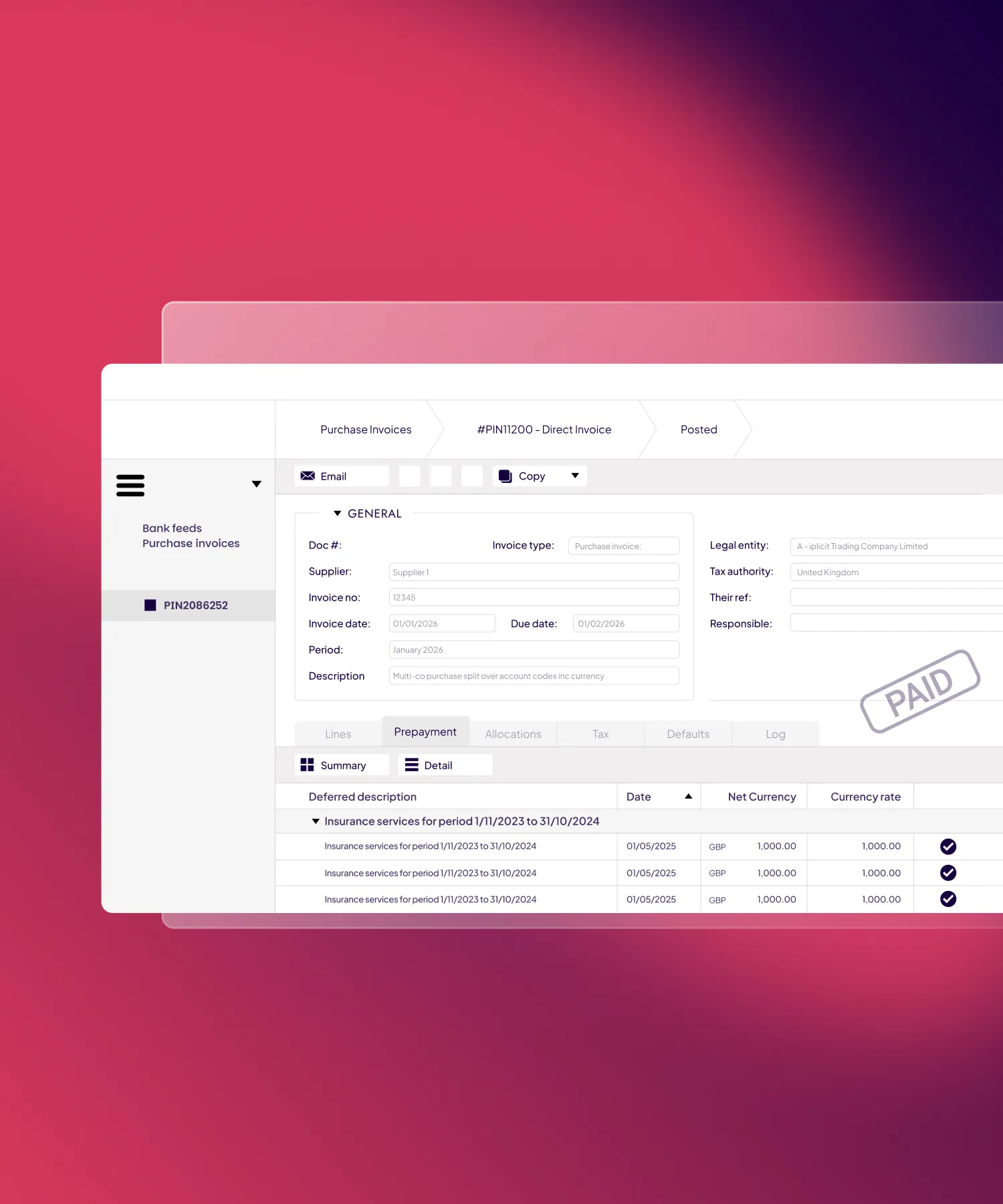
How project accounting works in iplicit
In iplicit, you set up projects separately from the way your general ledger, departments, activities and other dimensions are organised. So you can structure projects around the way your organisation works, and still keep the financial information you need to monitor performance.
Projects or jobs can be organised as you wish, with sub-projects nested beneath their parents. This makes it easier to see how an individual project is performing, or to review results across a wider programme of work.
You can allocate a project manager, other contacts or a customer to each project, and indicate a completion date that can be revised if necessary. iplicit also comes with its own task management system.
Track project costs and revenue against budgets
Project accounting software should do more than record what's already been spent. It should show you how a project is progressing financially, so you can make informed decisions before the work is complete.
With iplicit, you can view a project's committed costs, revenue, deferred income, budget and forecasts, then slice and dice the data with iplicit's inbuilt analysis tools. You and your project team get real-time, on-demand access to income and expenditure, alongside commitments, analysis and variations.
That gives you a live view of project profit and loss (P&L). Compare actual performance with expectations, and investigate where costs or income are moving away from plan.

Easy time recording
Staff enter timesheet information through the mobile app or a browser, and the time costs or charge-out rates are recorded against the relevant project. Time can then be managed and billed when appropriate, with work in progress controlled across all your projects.
This connects time recording to financial reporting. Finance teams see the cost of the work alongside the revenue it will generate.
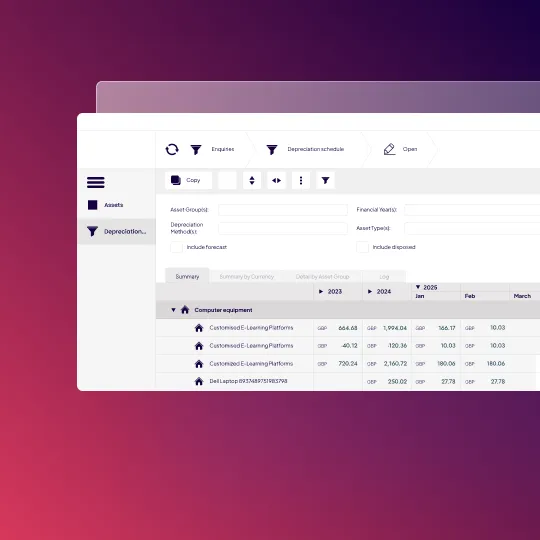
Simplify expense management
Just like timesheets, staff submit expense claims through their mobile device or browser and allocate them to the relevant project. Expenses and costs can be automatically disbursed and invoiced to customers. That saves time and makes sure billable costs are recovered promptly.
With timesheets and expenses part of the project accounting process, there's no need to gather information from separate spreadsheets before you assess project costs or prepare invoices.
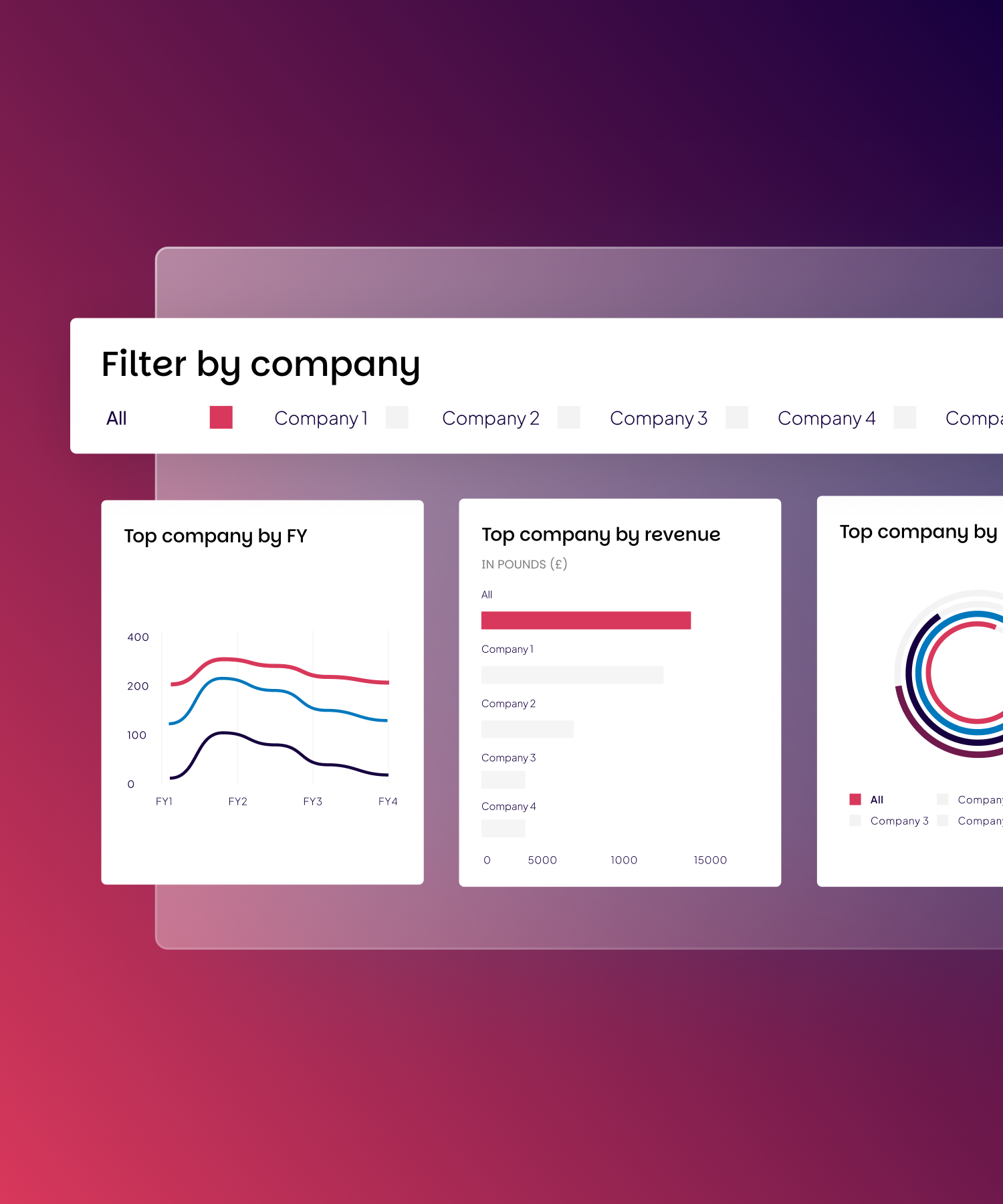

"Project costing is an essential requirement given that we can have over 50 live projects, at any one time… It's essential for us to manage our time and our expenditure, to make sure that we were maximising our profit on any given job."Being able to allocate costs against a specific project and provide real-time analysis regarding the profitability of any given project, at any time, is something our team required to enable informed business decisions to be made part-way through any job, rather than having to look back to analyse what occurred, after the job was complete."

FAQs
What is project accounting?
What is project accounting?
Project accounting tracks the income, costs and financial performance of individual projects. It helps organisations monitor expenditure against budgets, understand revenue and profitability, manage work in progress and assess performance while work is still underway.
With iplicit, project accounting is integrated into the core accounting platform, so it's simple to analyse project information alongside budgets, forecasts, committed costs and other financial data.
What is job costing?
What is job costing?
Job costing is the process of tracking the costs of a particular job or piece of work, including labour, expenses and other costs incurred in delivering it. Job costing software shows what work costs and compares that with the revenue it generates.
The term is often associated with construction and manufacturing, but job costing is just as relevant to any business that tracks the financial performance of individual jobs or contracts.
What's the difference between project accounting and job costing?
What's the difference between project accounting and job costing?
Project accounting covers the wider financial management of a project: income, expenditure, budgets, forecasts, committed costs, billing and profitability. Job costing focuses specifically on identifying and tracking the costs of a particular job. iplicit handles both in one system.
How do you do project accounting?
How do you do project accounting?
Project accounting starts with structuring projects so costs and revenue can be allocated to the right work. Teams then record transactions, timesheets and expenses, monitor budgets and forecasts, and review project income and expenditure as work progresses.
With iplicit, projects can be organised with nested sub-projects, assigned contacts and managers, and analysed using real-time financial information. Teams can also monitor committed costs, deferred income, WIP and billing.
How do you track project profitability in real time?
How do you track project profitability in real time?
You need current information on project income, costs and commitments, plus a way to compare performance against budgets and forecasts.
iplicit gives you on-demand access to project income and expenditure, committed costs, revenue, budgets and forecasts. Finance teams can spot variations and make informed decisions while a project is still in progress, rather than waiting until it's complete.
What are committed costs in project accounting?
What are committed costs in project accounting?
Committed costs are costs you've agreed to but haven't yet been invoiced for, such as purchase orders raised with suppliers. Including them shows the true cost position of a project, not just what's been paid. iplicit shows committed costs alongside actual spend, budgets and forecasts for every project.
What is work in progress (WIP) accounting?
What is work in progress (WIP) accounting?
Work in progress is work that's been carried out but hasn't yet been fully billed or recognised as revenue, depending on your accounting treatment. Tracking WIP matters most for businesses delivering longer projects, charging by time or billing at agreed milestones.
iplicit lets you manage and bill time when appropriate, with WIP controlled across projects. Combined with project costs, revenue, commitments and forecasts, finance teams keep full visibility over the financial position of ongoing work.
Do we need separate project management and accounting software?
Do we need separate project management and accounting software?
That depends on how you manage projects. Some businesses need dedicated project management tools for detailed scheduling, resource planning and delivery workflows. Others mainly need to track project costs, revenue, timesheets, expenses, budgets and profitability.
iplicit includes its own task management system and integrates project accounting into the core finance platform, so you don't have to manage project finances separately from your accounts. Whether you need extra project management tools depends on your operational requirements.
Is iplicit cloud project accounting software?
Is iplicit cloud project accounting software?
Yes. iplicit is cloud accounting software, so project data, timesheets, expenses and documents are available from anywhere, on desktop or mobile, with no on-premise servers to maintain

Know how every project’s doing. Before it’s finished.
Project accounting doesn’t have to mean numerous spreadsheets, repeated data entry, and finding out whether a job made money only after it’s done.
With project accounting built into your core finance platform, you can:
- Stop rekeying data and manipulating Excel
- Approve timesheets and expenses daily, or more often, so you get visibility fast
- Manage WIP and billing, and allocate costs and profit with ease
- Analyse performance by project, activity and income stream
See it on your own projects. Book a demo and we’ll show you how iplicit handles your project accounting, or take the 3-minute tour of the wider finance platform.