
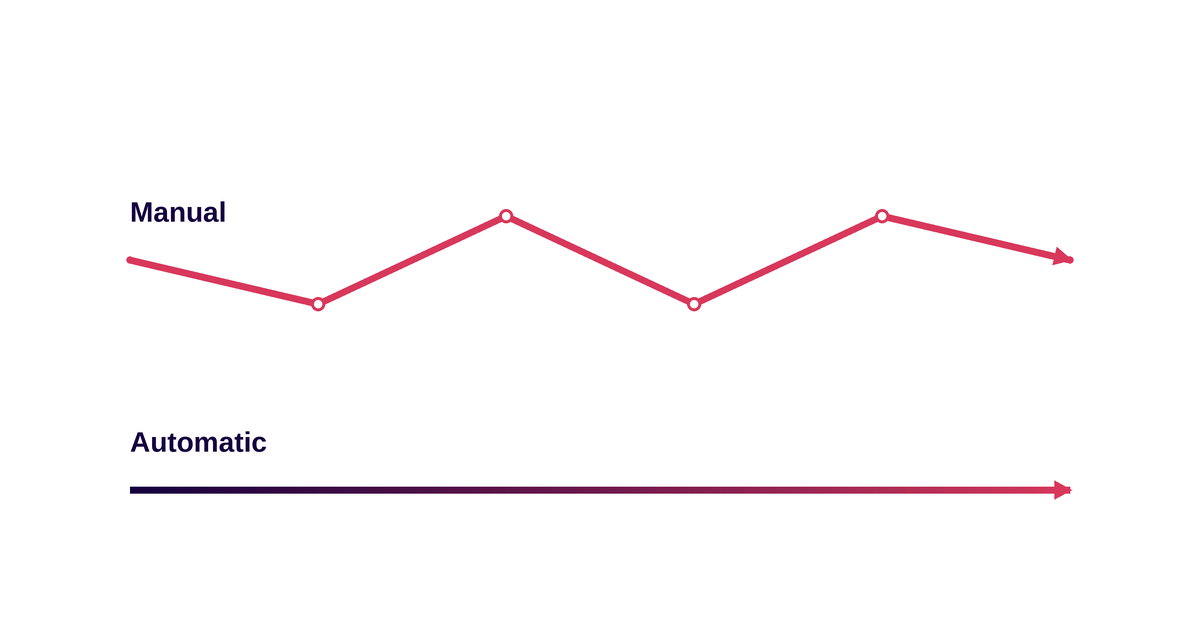
Manual rekeying, slow multi-entity consolidation and spreadsheet-heavy reporting are still the biggest drags on finance team productivity. The fix is four changes: automating routine tasks, consolidating multi-entity accounts properly, tightening internal controls and moving to live reporting. This article sets out what to automate first, how consolidation should work, and what a future-proofed system needs to include.
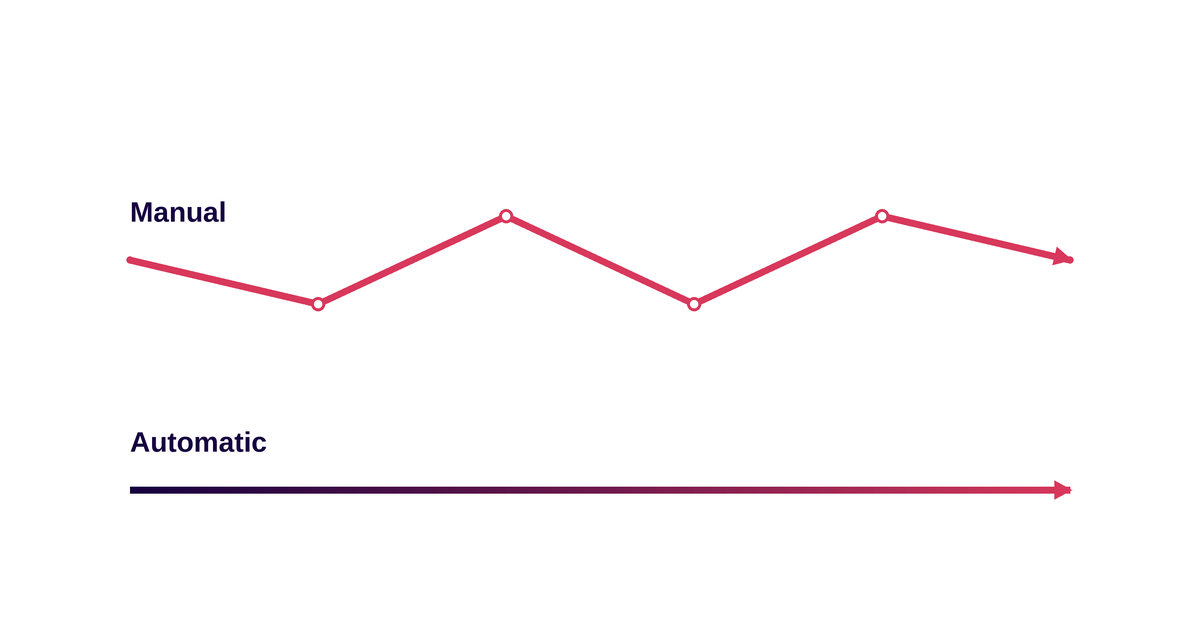
The short version
- Manually rekeying data between systems is still the single biggest cause of finance inefficiency – and it's also the most fixable.
- Automating month-end tasks like accruals, deferred income and bank reconciliation can shrink close time from weeks to days.
- Multi-entity groups save the most time by consolidating intercompany transactions, VAT and eliminations automatically instead of by hand.
- Flexible approval workflows and unlimited-dimension reporting protect against fraud while giving finance directors real-time visibility without spreadsheets.
Finance directors lose days every month to work a good system should handle automatically.
Rekeying data between disconnected systems, consolidating multiple entities by hand and exporting management accounts into spreadsheets to analyse them are still standard practice at many organisations. Each one adds time, cost and risk of error to the close.
This article sets out four practical ways to improve efficiency so the finance team spends more time analysing numbers and less time preparing them.
What causes inefficiency in finance teams?
One of the biggest causes of inefficiency in finance teams is having to manually rekey financial information from one system to another. On-premises software often cannot connect sales, operations and finance – and entry-level tools generally cannot produce consolidated accounts across multiple legal entities. As a result, teams are forced to rekey and manipulate data by hand, which is slow and prone to human error.
When it comes to reporting, many organisations are held back by outdated systems that don't support real analysis – at least without a lot of manual intervention. Management accounts data often has to be exported into spreadsheets and manipulated before anyone can analyse it.
How do you increase efficiency in your finance function?
Four changes make the biggest difference to finance function efficiency: automation, consolidation, stronger internal controls and live reporting. Each targets a different source of wasted time, from manual data entry to month-end manipulation. None require replacing your entire finance stack. You just need a system flexible enough to support all four.
1. Automation
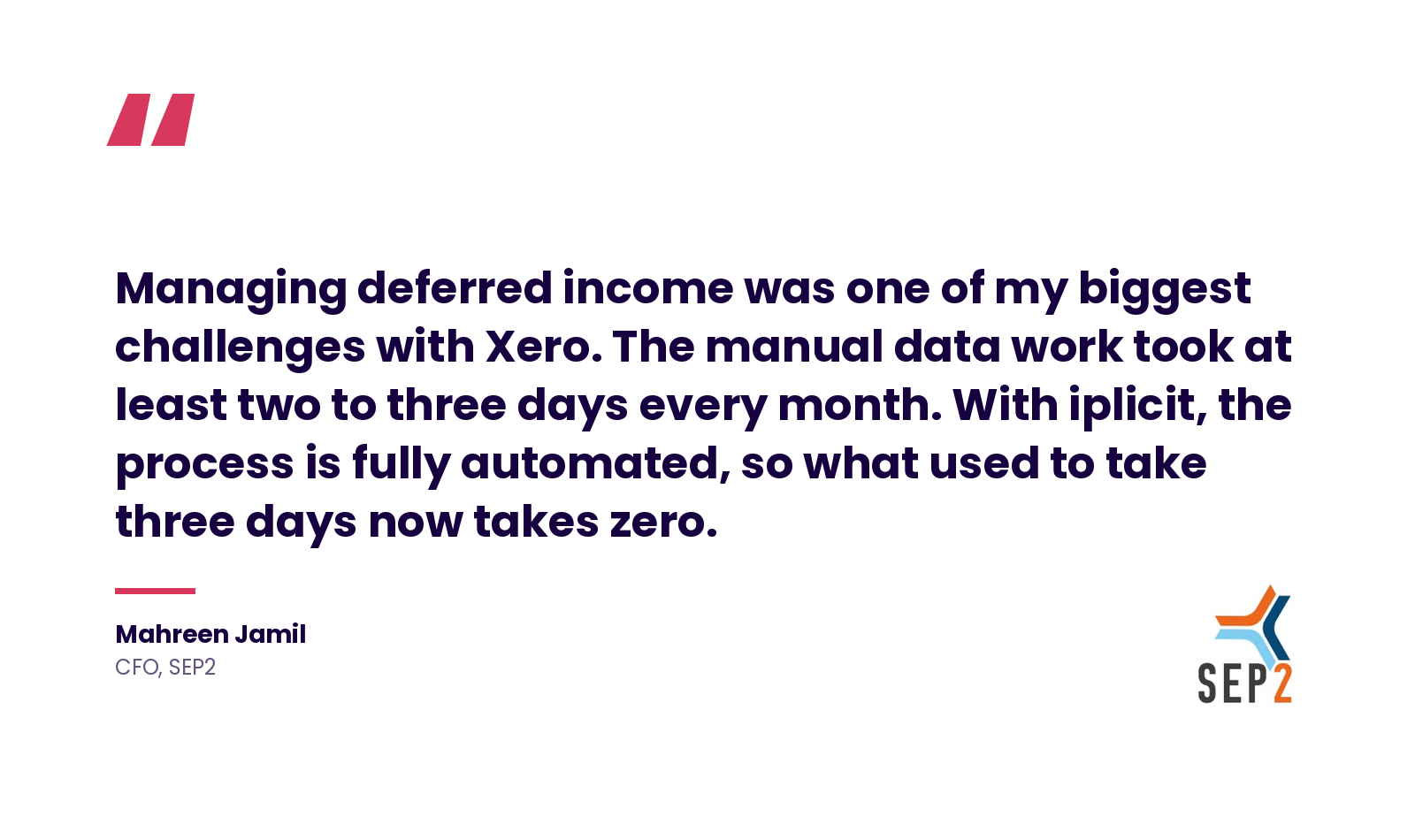
Automating tasks that are traditionally done by hand frees up staff for higher-value work and puts information into the right hands faster. SEP2, a cyber security firm that outgrew Xero as it expanded internationally, found that managing deferred income by hand took two to three days every month. Automation made that instantaneous.
Automation pays off most around month end. Numerous month-end tasks can be automated, including:
- E-commerce sales and dispatch: Manually entering online orders into the finance system slows down getting them to operations or fulfilment, on top of the customer-experience cost of a slower delivery.
- Month-end accruals: working out what's owed on an item that's been ordered but not yet invoiced is a large manual task without automation.
- Prepayments: spreading a cost like an annual insurance premium evenly across the months it covers.
- Foreign exchange gains and losses: calculating the effect of exchange rate movements on prices and payments.
- FX revaluations: a month-end, or sometimes daily, task for any entity operating in more than one currency.
- Deferred income: accounting for income tied to contracts, subscriptions or bookings for future events.
- Revenue recognition: recognising income spread over time, such as project income based on work completed to date.
- Automated bank reconciliation: a live bank feed into the finance system, so reconciliation doesn't mean ticking off each transaction by hand.
- Automated project invoicing: generating invoices for ongoing, time-based services such as temporary staff supply.
- Automatic credit control: managing reminders, debt chasing and escalation up to legal action, and flagging payment-pattern trends before they become a problem.
- Procurement and expenses: as an organisation grows, it needs a procurement process that scales with headcount and purchase volume.
2. Consolidation
Consolidation lets you see and analyse the financials of two or more companies within a group together. The more entities in the group, the more time accurate, automated consolidation saves, and the more quickly an acquisition's data can be brought into the mix.
- Intercompany transactions: when Company A sells to Company B, the system can raise invoices, process payments and post the resulting figures on both sides automatically, in real time.
- Group VAT calculation and postings: the system collects each company's VAT figures and makes the intercompany adjustments needed for a single group return automatically.
- Real-time group eliminations: intercompany transactions need to be visible internally but removed from the accounts the outside world sees. A system built for this can show or hide eliminated balances in real time, work that used to require a large enterprise system and days of manual effort.
- Intercompany bulk payment runs: where Company A pays a shared supplier on behalf of sister companies, the system makes the relevant intercompany adjustments in each subsidiary ledger automatically, instead of requiring multiple manual transfers.
- Multi-company purchase invoices: where several group companies share a supplier, such as a photocopier provider, one invoice can be entered once and attributed correctly across every entity it covers.
3. Better internal controls and processes
Many organisations carry on with a system set up years ago by a previous finance director rather than face implementing a new one from scratch. That system often can't cope with what the organisation needs today. A system built to grow with the organisation, so it doesn't need reimplementing again in ten years, should include:
- Configurable flexible workflows and approvals, for example around procurement, new customer approval, and alerts on supplier bank account changes.
- Live foreign exchange rate updates.
- Real-time bank feeds for faster reconciliation.
- Unlimited-dimension general ledger analysis, so data doesn't need manipulating outside the system as the organisation moves into new areas of business or new reporting requirements.
A modern system can also control which staff can alter payment account details and issue alerts when details change, which supports internal fraud detection and help keep auditors satisfied.
4. Live reporting and enquiries
Having all your data in one place on the web, updated automatically and accessible from any device, means the right people get access at the right time, instantly, to real-time business intelligence. Non-finance department heads can go straight to the data relevant to them, instead of waiting for finance to produce and analyse spreadsheets at month end.
Where iplicit fits
A finance system built for efficiency should automate month-end tasks, consolidate multi-entity accounts in real time, enforce configurable approval workflows, and put live reporting in front of the people who need it, without exporting to spreadsheets. iplicit is built to do this natively for mid-market and multi-entity organisations moving on from entry-level or on-premise systems.
du Boulay, a commercial fit-out contractor, cut its reporting cycle from three weeks to under a week after moving off its legacy Exchequer system onto iplicit. SEP2 eliminated two to three days of manual deferred income work every month by automating it entirely. Marc Brady, Head of Finance at Walking With the Wounded, moved the charity to iplicit from Sage 50, where month-end involved exporting data and “about 88 columns of lookups, then pivot tables and manipulating all the data”. He says: “iplicit has saved us at least 15 days each month.”
The bottom line
Finance inefficiency almost always comes down to the same root cause: data and processes spread across systems that don't talk to each other. The only alternative to doing ever more manual work – and spending more time in spreadsheets – is to adopt a system with better automation, consolidation, controls and reporting.
Get a closer look at iplicit
Take iplicit's quick tour to see automation, consolidation and live reporting in one system, or book a demo with iplicit to walk through your own finance function's specifics.
What causes inefficiency in a finance team?
Inefficiency in finance teams is usually caused by manually rekeying data between systems that don't talk to each other, such as sales and finance software. It also comes from outdated systems that cannot handle consolidation or deep analysis without heavy manual manipulation.
Why does manually rekeying data between systems cause so many errors?
Rekeying data by hand is slow and inherently prone to human error, since every manual entry is a chance to mistype a figure or miss a transaction. It also delays the information other teams and decision-makers are waiting for.
What's the difference between entry-level accounting software and a system built for consolidation?
Entry-level software handles basic integration well but cannot produce consolidated accounts across multiple legal entities. A system built for consolidation automates intercompany transactions, group VAT calculations and real-time eliminations, which entry-level tools leave to manual spreadsheet work instead.
How do you start improving efficiency in your finance function?
Start with automation: identify the manual, repetitive tasks around month end, such as accruals, prepayments or bank reconciliation, and automate those first. Then work through multi-entity consolidation, internal controls and live reporting as the next three steps, in that order.